 PTF Punjab
30-40% Government Subsidy on E-Bikes: How It Works for Teachers
How the Government Subsidy Reduces the E-Bike Cost
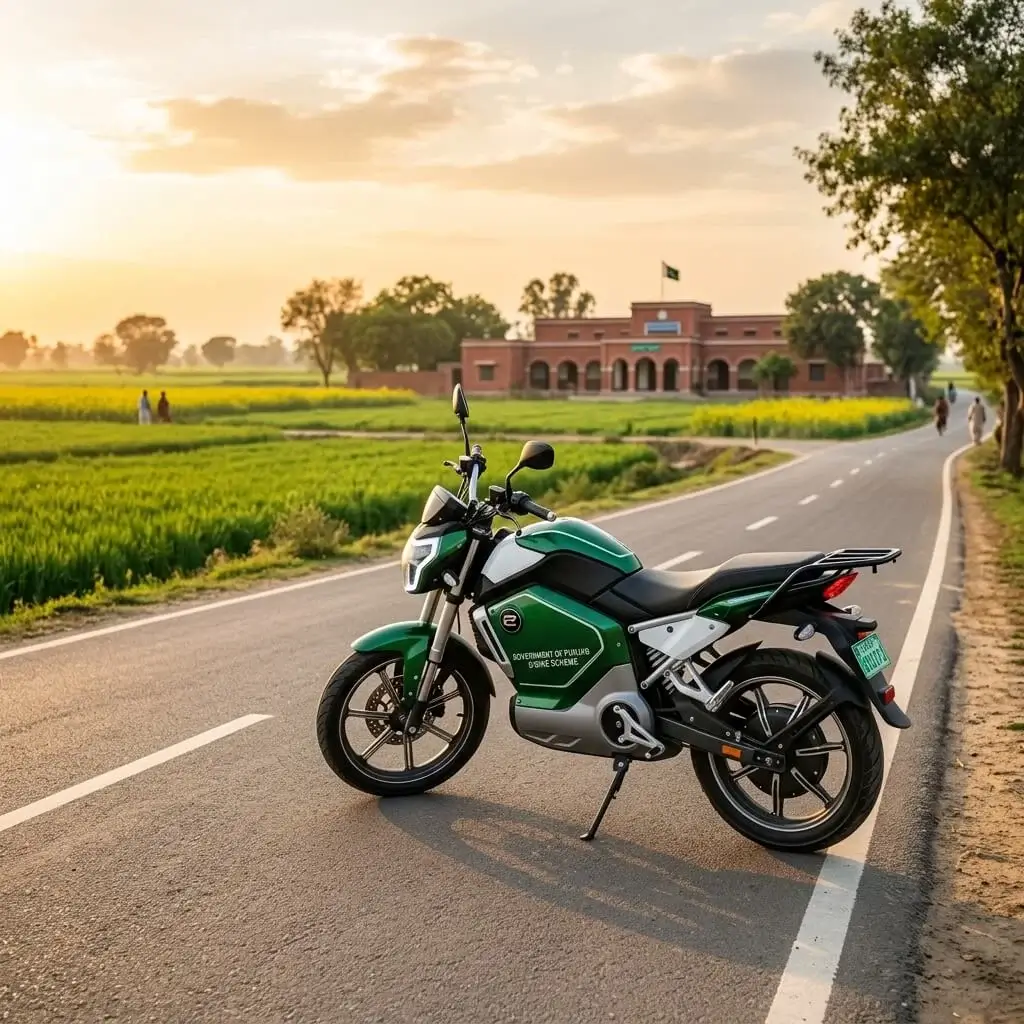
One of the most attractive features of the CM Punjab E-Bike Teacher Scheme 2026 is the generous government subsidy that covers 30 to 40 percent of the total bike price. This means that a teacher does not have to bear the full market cost of an electric bike. The Government of Punjab directly pays the subsidy portion to the manufacturer or dealer, and the teacher is only responsible for the remaining balance, which can be paid through easy monthly installments via the Bank of Punjab.
For example, if an e-bike costs Rs. 200,000 in total, the government contributes approximately Rs. 70,000 as subsidy. The teacher's share drops to Rs. 130,000, which is spread over 36 months at just Rs. 3,600 per month with zero markup. This structure was specifically designed to make electric bikes accessible to teachers who earn modest salaries and cannot afford large upfront payments.
Subsidy Breakdown by E-Bike Model
The Punjab Teachers Foundation has approved three e-bike models under the scheme, each carrying a different subsidy amount. Model A, the most affordable option, comes with a total price of Rs. 200,000 and a subsidy of Rs. 70,000, bringing the teacher's share down to Rs. 130,000. Model B is priced at Rs. 230,000 with a higher subsidy of Rs. 90,000, leaving the teacher to pay Rs. 140,000. Model C, the premium option with the longest battery range, costs Rs. 250,000 with a maximum subsidy of Rs. 100,000, resulting in a teacher share of Rs. 150,000.
The subsidy percentage varies between 35% and 40% depending on the model selected. The government intentionally provided a higher subsidy on the premium model to encourage teachers to opt for bikes with longer range, which is especially useful for educators commuting from remote rural areas where charging stations may be less accessible.
Who Funds the Subsidy and How Is It Disbursed?
The subsidy is funded directly from the Punjab provincial budget under the education and transport welfare allocation. The Chief Minister's office approved the budget in coordination with the Finance Department and the Punjab Teachers Foundation. The Bank of Punjab acts as the financial intermediary, receiving the subsidy funds from the government treasury and crediting them against the teacher's bike purchase at the time of delivery.
Teachers do not receive the subsidy amount in cash. Instead, it is directly deducted from the total bike price before the installment plan is calculated. This ensures that the subsidy serves its intended purpose and cannot be misused. The entire transaction is documented and audited, with records maintained by both the Bank of Punjab and the PTF for accountability.
Does the Subsidy Vary Based on Teacher Category?
The subsidy amount is tied to the e-bike model, not to the teacher's BPS scale or posting location. Whether you are a PST in BPS-14 or a Subject Specialist in BPS-18, you receive the same subsidy percentage if you choose the same model. However, teachers serving in designated rural and remote areas may be eligible for additional transport allowances from the School Education Department, which effectively reduces their out-of-pocket cost even further.
Female teachers also benefit from the priority allocation system, which means they are more likely to be selected in the balloting. While the subsidy rate itself remains the same, the higher selection probability for female educators is a form of indirect financial support, since being selected means receiving a bike at 60 to 65 percent of the market price.
Comparing the E-Bike Subsidy with Past Government Schemes
Previous government transport schemes for public sector employees typically offered subsidies in the range of 10 to 20 percent, and the remaining balance carried a markup of 5 to 8 percent from commercial banks. The CM Punjab E-Bike Scheme is a significant departure from that model. By providing a 30 to 40 percent subsidy combined with a 0% interest installment plan, the effective financial benefit to the teacher is nearly double what earlier schemes offered.
Additionally, the running cost of an electric bike is a fraction of a petrol motorcycle. While a petrol bike may cost Rs. 6,000 to Rs. 8,000 per month in fuel alone, an e-bike costs roughly Rs. 500 to Rs. 800 per month in electricity charges. When you combine the upfront subsidy savings with the long-term fuel savings, a teacher can save over Rs. 150,000 in the first two years alone.
Bottom Line
Tip: When choosing your e-bike model, consider your daily commute distance. If you travel more than 50 km daily, Model B or Model C offers better value despite the slightly higher monthly installment, because the longer battery range means fewer charging stops and lower long-term costs.