 PTF Punjab
CM Punjab Solar Scheme 2026 vs E-Bike Scheme: Which One Is for You?
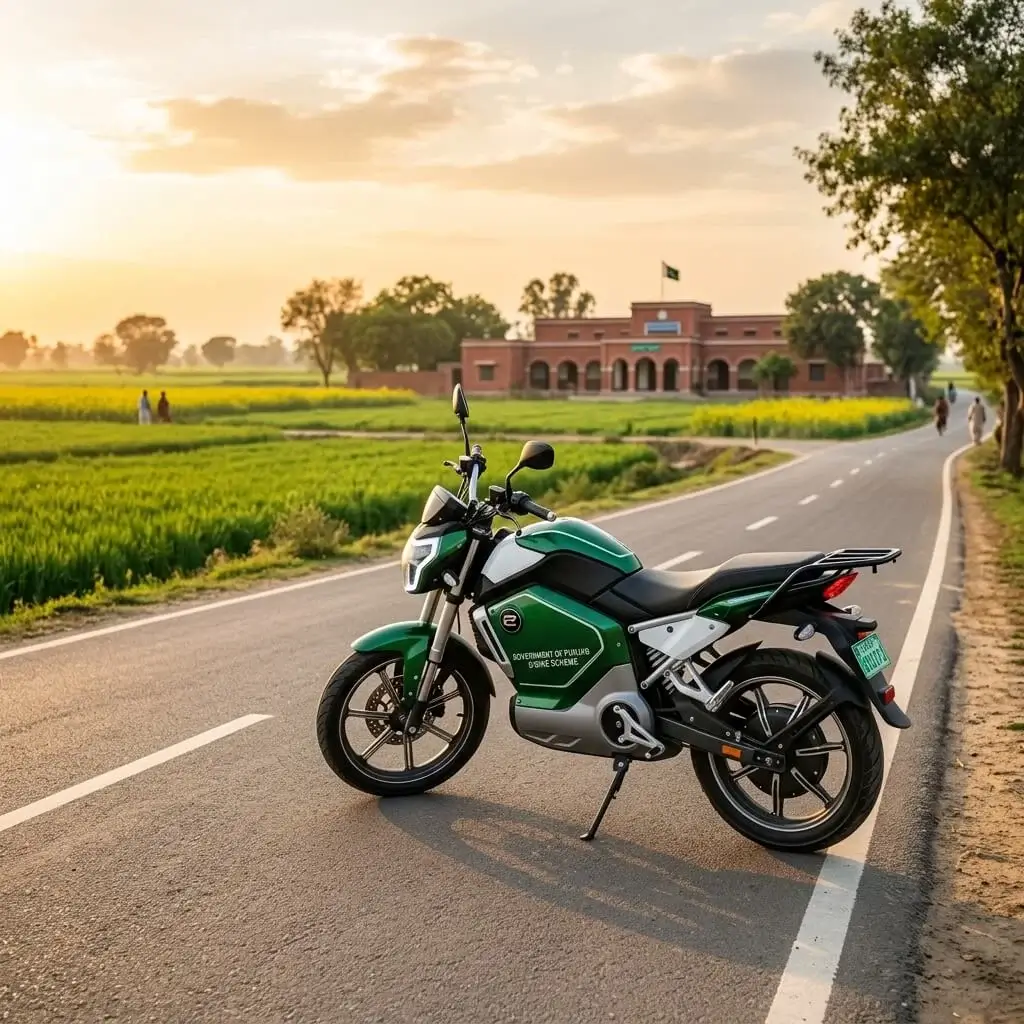
Two Major Welfare Schemes by the Punjab Government
The Government of Punjab has launched two landmark welfare programs in 2026: the CM Punjab Solar Scheme (also known as Roshan Gharana) and the CM Punjab E-Bike Teacher Scheme. Both programs aim to reduce the financial burden on public sector employees and households, but they target entirely different needs. The Solar Scheme focuses on reducing electricity bills through free solar panel installation, while the E-Bike Scheme provides subsidized electric transportation for government school teachers. Understanding the differences can help you decide which program to prioritize if you are eligible for both.
It is important to note that these two schemes are not mutually exclusive. A government teacher who qualifies for the E-Bike Scheme may also be eligible for the Solar Scheme as a Punjab resident. The application processes are separate, administered by different departments, and receiving a benefit from one does not disqualify you from the other. However, the practical question remains: if you can only focus on one application process at a time, which one offers greater financial value for your specific situation?
CM Punjab Solar Scheme 2026: Key Features
The Roshan Gharana Solar Scheme provides free solar panels to eligible households in Punjab. The scheme covers homes consuming up to 300 units of electricity per month. The government installs a solar system capable of generating enough power to offset the household's daytime electricity consumption, effectively reducing the monthly electricity bill by 50 to 70 percent. The solar panels come with a 25-year performance warranty, and installation is handled by government-approved contractors at no cost to the homeowner.
Eligibility is based on household electricity consumption and residential address within Punjab. Government employees, including teachers, are eligible if their household meets the consumption threshold. The estimated monthly savings from the solar scheme range from Rs. 3,000 to Rs. 8,000 depending on the existing electricity usage and the size of the installed solar system. Over the 25-year lifespan of the panels, the total savings can exceed Rs. 1.5 million per household.
CM Punjab E-Bike Scheme 2026: Key Features
The E-Bike Scheme targets government school teachers specifically. It provides electric bikes with a 30-40% government subsidy and a 0% interest installment plan through the Bank of Punjab. Monthly installments range from Rs. 3,600 to Rs. 4,200 over 36 months. The monthly savings on fuel and maintenance compared to a petrol bike are approximately Rs. 4,000, meaning the bike essentially pays for itself during the installment period.
After the installment period ends, the teacher owns the bike outright and continues saving Rs. 4,000 per month on commuting costs. The e-bike has an expected useful life of 5 to 7 years before the battery needs significant replacement. Over its lifetime, the total financial benefit to the teacher — combining subsidy, fuel savings, and reduced maintenance — can reach Rs. 300,000 to Rs. 400,000.
Side-by-Side Financial Comparison
If you are a teacher with high electricity bills (above Rs. 5,000 per month) and a short commute (under 10 km), the Solar Scheme may offer greater immediate value because the monthly electricity savings exceed the commuting savings from an e-bike. Conversely, if your electricity bill is modest (under Rs. 3,000) but you spend Rs. 5,000 or more monthly on petrol and transport, the E-Bike Scheme delivers a bigger financial punch.
For teachers with both high electricity bills and long commutes, applying for both schemes simultaneously is the optimal strategy. The combined savings from solar panels and an e-bike could total Rs. 8,000 to Rs. 12,000 per month — a life-changing amount for a teacher earning Rs. 35,000 to Rs. 50,000 per month.
Which Should You Apply for First?
If you must choose one to focus on first, consider the urgency of your need. Transport costs are paid daily and affect your ability to reach work, making the E-Bike Scheme a more urgent priority for teachers with difficult commutes. Electricity bills, while significant, are a monthly expense that does not directly impact your job performance or attendance. From a career and professional standpoint, solving the commuting problem first makes strategic sense.
On the other hand, if your commute is manageable but your electricity bills are crippling your household budget, the Solar Scheme offers a permanent, maintenance-free solution that lasts 25 years. The E-Bike Scheme, by comparison, has a 5 to 7 year equipment lifespan. From a pure long-term return-on-investment perspective, solar panels win. The ideal approach is to submit applications for both programs and let the selection process determine which benefit you receive first.
Our Recommendation
Best Strategy: Apply for both schemes since they are not mutually exclusive. If you must prioritize, choose the E-Bike Scheme if commuting is your biggest expense, or the Solar Scheme if electricity bills are your primary financial burden. Both programs represent excellent value for Punjab's government employees.