 PTF Punjab
Female Teacher Priority in the Punjab E-Bike Scheme: What You Should Know
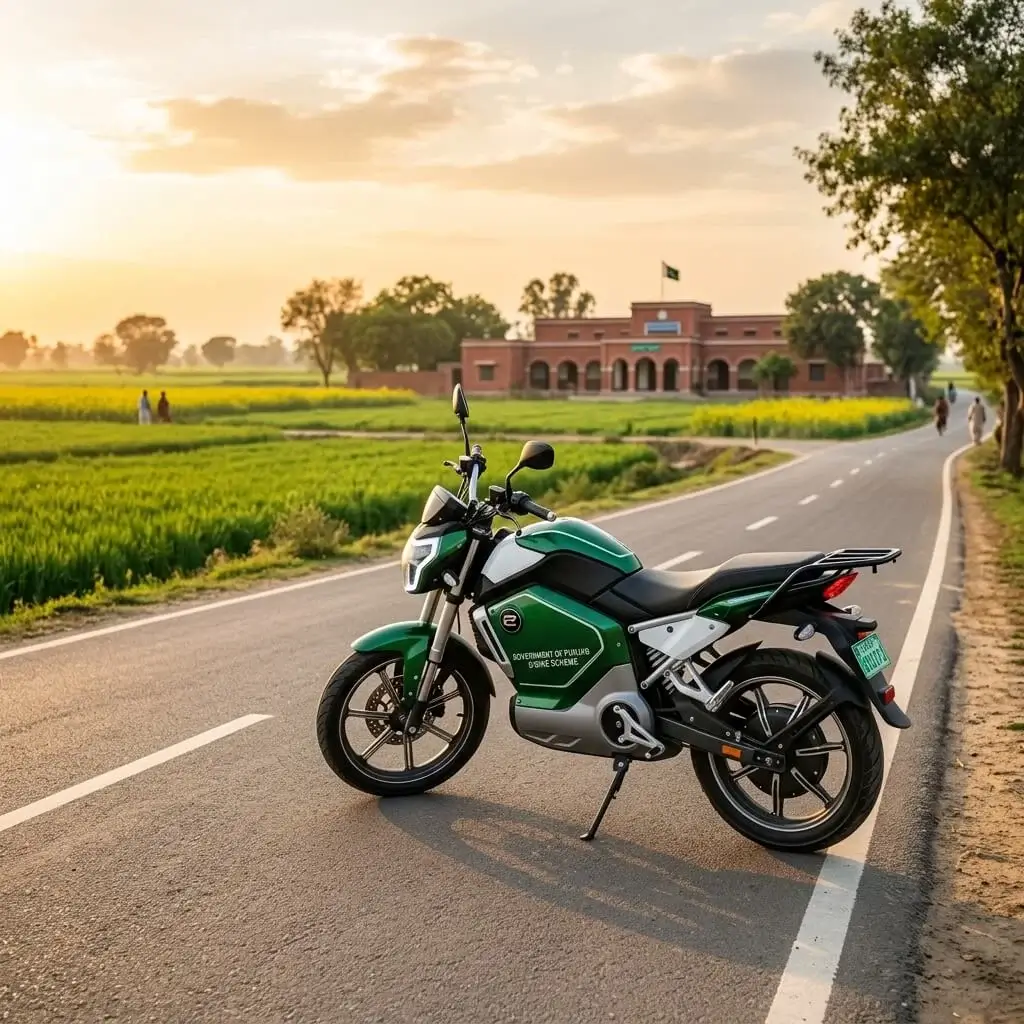
Why Female Teachers Get Priority in the E-Bike Scheme
The CM Punjab E-Bike Teacher Scheme 2026 has a built-in priority system that gives female teachers preferential treatment during the selection and balloting process. This is not a token gesture — it reflects the Punjab government's recognition that women educators face significantly greater commuting challenges than their male counterparts. In many parts of Punjab, especially in rural areas, female teachers depend on unreliable public transport, shared rickshaws, or family members to reach their schools. An electric bike provides them with independent, safe, and affordable mobility.
According to the Punjab Teachers Foundation, approximately 52% of government school teachers in the province are female. Yet a disproportionately large number of female teachers report commuting difficulties as a major source of stress that affects their teaching performance and punctuality. By prioritizing women in the e-bike distribution, the scheme directly addresses this gap and contributes to the broader goal of improving education quality in Punjab's public schools.
How Does the Priority System Work in Balloting?
The priority for female teachers is implemented through a weighted balloting mechanism. In the computerized draw, each verified female applicant receives additional weightage points compared to a male applicant from the same district. While the exact multiplier has not been publicly disclosed, sources within the PTF suggest that female candidates are approximately 1.5 to 2 times more likely to be selected in any given round compared to male candidates with identical qualifications.
This weighted system operates within the district-level quota. So if a district has 100 e-bikes allocated and 500 verified applicants (300 female and 200 male), the random draw is configured to favor the female pool. In practice, this means that roughly 60 to 65 of the 100 bikes may go to female teachers, with the remaining allocated to male teachers. The exact numbers vary by district based on the gender composition of the applicant pool.
Safety and Independence: The Real Impact
For many female teachers, owning a personal vehicle is not just about convenience — it is about safety. In rural Punjab, women often have to travel on isolated roads early in the morning or return home after dark during winter months. Depending on shared transport with strangers or walking long distances puts them at personal risk. An e-bike eliminates this vulnerability by giving each teacher control over her own commute schedule and route.
The independence that comes with personal mobility also has a psychological benefit. Female teachers who previously felt anxious about their daily commute can now focus their mental energy on lesson planning and student engagement. Several pilot studies conducted by the SED have shown that teacher attendance rates improve by 15 to 20 percent when commuting barriers are removed, and this improvement is most pronounced among female educators in semi-urban and rural postings.
Do Female Teachers Need a Driving License?
Yes, the driving license requirement applies equally to male and female applicants. All teachers must possess a valid motorcycle driving license or at least a learner's permit issued by the relevant traffic authority. However, recognizing that many female teachers may not have previously obtained a license, the Punjab government has coordinated with district traffic offices to set up special driving license camps near schools and education offices. These camps offer expedited processing, reduced fees, and female-friendly facilities including separate queues and female staff.
Teachers who currently hold only a learner's permit can still apply for the scheme. However, they must obtain a full motorcycle license before the delivery date. The PTF allows a 60-day window after selection for learner permit holders to complete their full license. If the full license is not obtained within this window, the selection may be revoked and the slot given to the next candidate on the waiting list.
Encouraging More Women to Apply
Despite the priority allocation, initial registration data shows that female teachers are underrepresented in the applicant pool relative to their share of the teaching workforce. Many women are hesitant to apply because they are unsure about riding an electric bike, unfamiliar with the application process, or worried about installment payments on a modest salary. The PTF has launched awareness campaigns through district education offices, WhatsApp groups, and school head meetings to address these concerns and encourage more female teachers to register.
If you are a female teacher reading this, know that the scheme was designed with your needs in mind. The e-bikes are lightweight, easy to ride, and require no gear shifting. The installment amount of Rs. 3,600 to Rs. 4,200 per month is manageable on a teacher's salary, and the savings on daily transport costs will likely exceed the installment amount itself, making the bike effectively free to own over the long term.
A Message for Female Teachers
Encouragement: This scheme is your opportunity to gain independent mobility at a fraction of the market cost. Don't let unfamiliarity with e-bikes hold you back. The PTF will provide basic training sessions at district centers before delivery, and the bikes are designed for riders of all experience levels.