 PTF Punjab
South Punjab Teachers: Special Preference in the E-Bike Scheme Explained
Why South Punjab Gets Special Preference
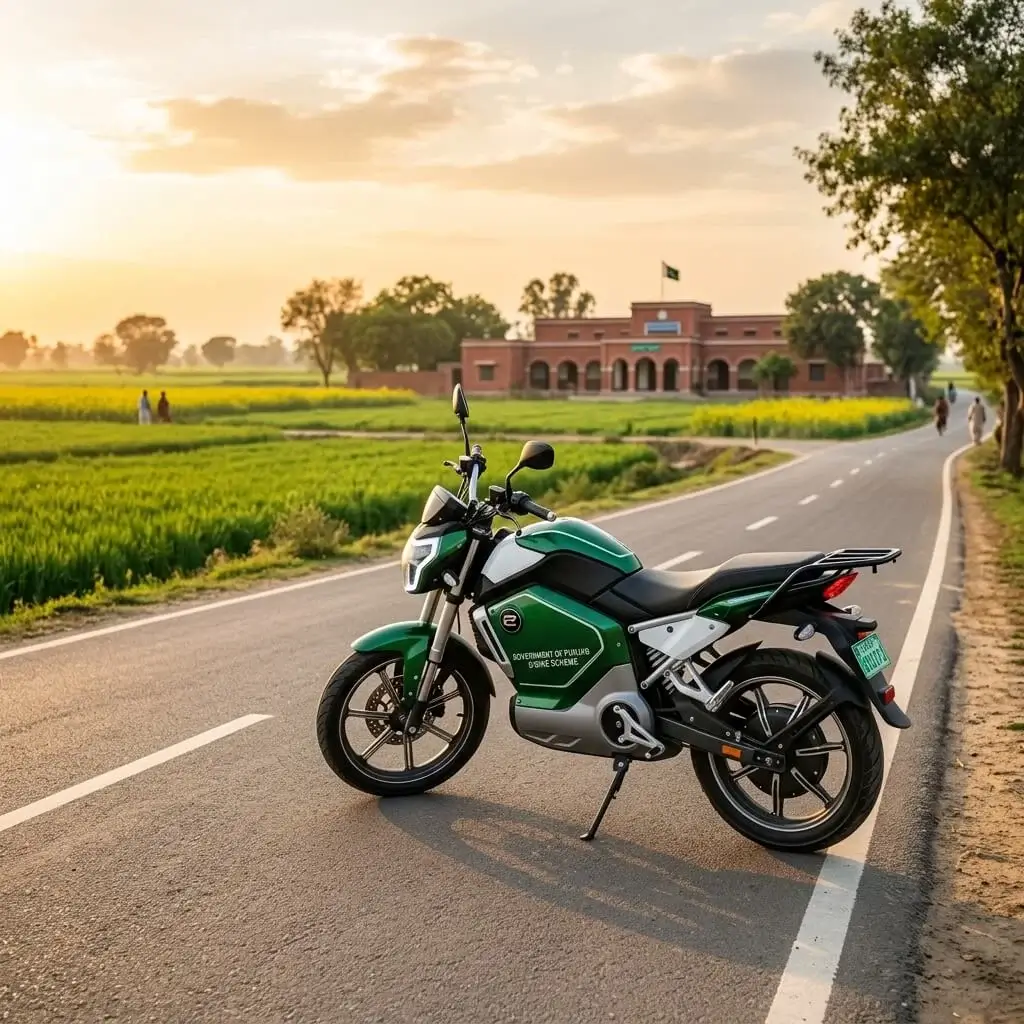
The CM Punjab E-Bike Teacher Scheme 2026 assigns special preference to teachers serving in South Punjab districts, recognizing the unique geographical, infrastructural, and socioeconomic challenges that educators in this region face daily. South Punjab encompasses some of the most remote and underserved areas of the province, including districts like Rajanpur, Dera Ghazi Khan, Muzaffargarh, Layyah, Bahawalpur, Bahawalnagar, Rahim Yar Khan, and parts of Multan division. These districts have vast geographical spread, sparse population distribution, limited road networks, and virtually no public transport in rural tehsils.
Teachers posted in these areas often commute 30 to 60 kilometers one way through unpaved roads, canal tracks, and desert terrain. During monsoon season, many village roads become completely impassable, cutting off schools from the nearest town for days at a time. The daily commuting cost for a teacher using private transport in South Punjab ranges from Rs. 300 to Rs. 500 — a financial burden that consumes 15 to 25 percent of a PST's basic salary. The special preference in the e-bike scheme directly addresses this disparity.
How the Preference Works in Practice
The PTF implements South Punjab preference through two mechanisms. First, the district-wise quota allocation for e-bikes assigns a proportionally higher number of bikes to South Punjab districts compared to their share of the total teacher population. For example, a district in South Punjab with 3% of Punjab's teachers might receive 5% of the Phase 1 allocation because the commuting need is greater. This weighted allocation ensures that more bikes reach the areas where they are most needed.
Second, within each South Punjab district's balloting pool, teachers posted at schools classified as "remote" or "hard-to-reach" receive additional priority weightage in the computerized draw. The SED maintains a list of schools in each district that meet specific remoteness criteria — typically based on distance from the nearest paved road, availability of public transport, and geographic isolation. Teachers at these listed schools have a higher probability of selection compared to teachers at urban or semi-urban schools within the same district.
Eligible Districts in South Punjab
The districts that benefit from South Punjab preference include Multan, Lodhran, Vehari, Khanewal, Sahiwal, Pakpattan, Bahawalpur, Bahawalnagar, Rahim Yar Khan, Dera Ghazi Khan, Rajanpur, Muzaffargarh, and Layyah. Among these, Rajanpur, Dera Ghazi Khan, and Muzaffargarh are classified as the most challenging districts due to their combination of extreme heat, Thal desert terrain, mountainous western borders, and flood-prone riverine areas along the Indus.
Teachers serving in tehsils like Rojhan (Rajanpur), Taunsa (Dera Ghazi Khan), Kot Addu (Muzaffargarh), and Karor Lal Esan (Layyah) face some of the most extreme commuting conditions anywhere in Pakistan. Some village schools in these areas are accessible only by crossing seasonal streams on foot or by motorcycle through sandy tracks. For these educators, an e-bike with good ground clearance and long battery range is not a luxury — it is a basic professional necessity.
Impact on Teacher Retention and Education Quality
South Punjab has chronically struggled with teacher retention. Many teachers posted to remote schools in this region apply for transfers to urban areas within months of joining, citing commuting hardship as the primary reason. This revolving door of transfers disrupts student learning and leaves rural schools perpetually understaffed. By providing e-bikes that make the commute manageable, the scheme incentivizes teachers to remain at their rural postings rather than seeking urban transfers.
The education statistics paint a stark picture. Literacy rates in South Punjab's rural areas lag 15 to 20 percentage points behind the provincial average. Student-teacher ratios in remote schools often exceed 50:1 compared to 25:1 in urban schools. Teacher absenteeism in South Punjab averages 22%, the highest in the province. The e-bike scheme alone cannot solve all these problems, but by addressing the commuting barrier, it removes one of the biggest obstacles to consistent teacher presence in classrooms that need it most.
Female Teachers in South Punjab
The intersection of South Punjab preference and female teacher priority creates the highest probability of selection in the entire scheme. A female teacher serving at a remote school in Rajanpur or Muzaffargarh accumulates the maximum possible priority score. This double preference recognizes that women in South Punjab face compounded disadvantages: cultural restrictions on independent travel, absence of female-friendly public transport, and safety concerns on isolated roads.
Girls' schools in South Punjab are among the most understaffed in the province because female teachers are the hardest to retain in these postings. A personal e-bike gives a female educator the independence to commute safely without relying on male family members or shared transport with strangers. This simple change in mobility can be the deciding factor between a female teacher staying at her rural posting or abandoning it for an urban school where commuting is easier but the need for her presence is less acute.
South Punjab Preference Summary
Higher Quotas: South Punjab districts receive proportionally more e-bikes than their teacher population share
Remote School Priority: Teachers at SED-listed remote schools get additional balloting weightage
Most Benefited Districts: Rajanpur, DG Khan, Muzaffargarh, Layyah, Bahawalpur, Rahim Yar Khan
Combined Priority: Female teachers in remote South Punjab postings have the highest selection probability.