 PTF Punjab
The Environmental Impact of the Punjab Teachers E-Bike Scheme
Punjab's Air Quality Crisis and the Role of Transport
Punjab, Pakistan faces some of the worst air quality in the world, particularly during the winter months when smog blankets major cities like Lahore, Faisalabad, and Multan. According to the World Air Quality Index, Lahore frequently ranks among the top 10 most polluted cities globally. While industrial emissions and crop burning contribute significantly to this crisis, vehicular emissions account for an estimated 40% of urban air pollution in Punjab. The province has over 15 million registered motorcycles, and the vast majority run on petrol with minimal emission controls.
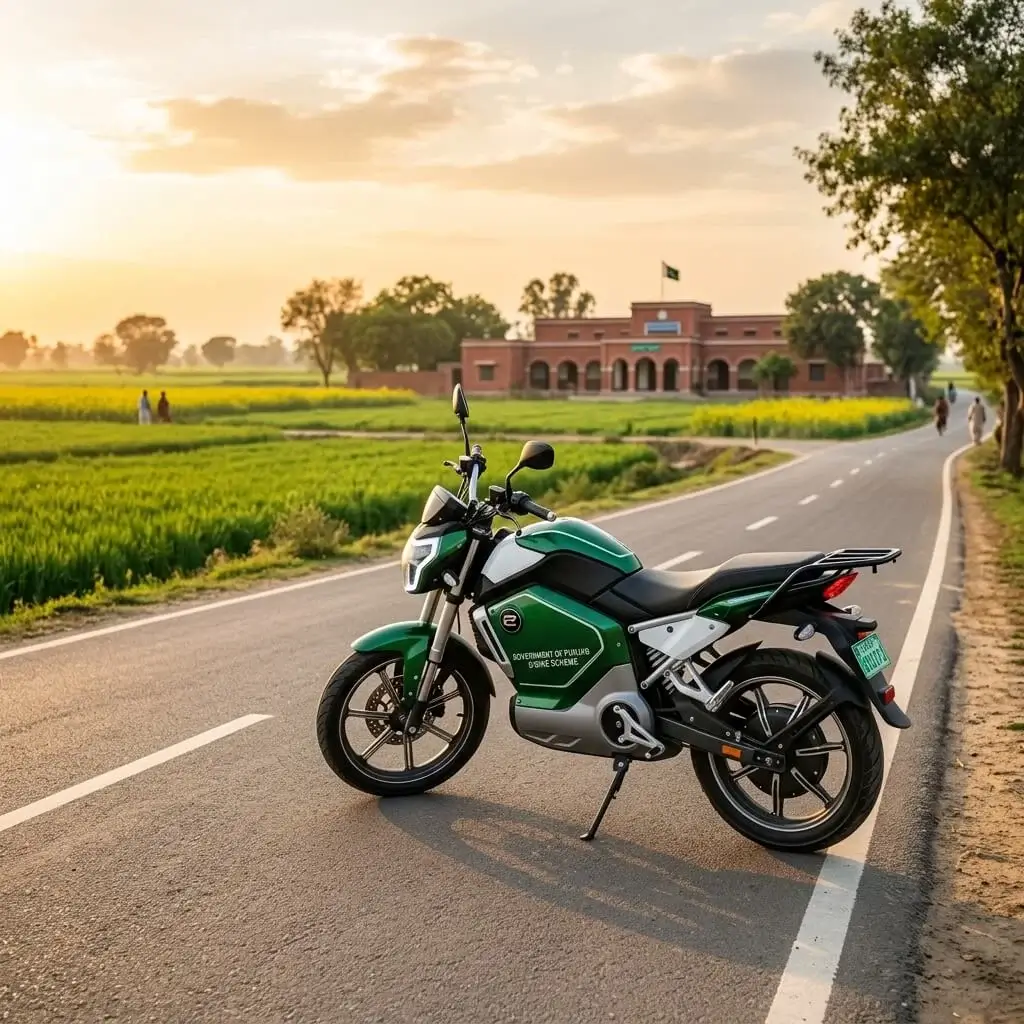
Government school teachers, numbering over 400,000 across Punjab, collectively contribute to this emission load through their daily commutes on petrol bikes. The CM Punjab E-Bike Teacher Scheme 2026 represents one of the first large-scale initiatives to systematically replace a portion of these petrol bikes with zero-emission electric alternatives. While 15,000 e-bikes (the combined Phase 1 and Phase 2 target) is a small fraction of the total motorcycle population, the program sets a precedent and a direction for future transport policy in the province.
Carbon Emission Savings Per E-Bike
A typical 70cc petrol motorcycle emits approximately 50 to 70 grams of CO₂ per kilometer traveled. For a teacher commuting 40 kilometers daily over 250 working days per year, the annual CO₂ emission from a single petrol bike is approximately 500 to 700 kilograms. When you add the emissions from fuel refining and transportation to petrol stations, the total lifecycle carbon footprint rises to approximately 1.4 metric tons per bike per year.
An electric bike, by contrast, produces zero direct emissions. The electricity used for charging does generate emissions at the power plant level, but even when accounting for Pakistan's coal-heavy energy mix, the per-kilometer carbon footprint of an e-bike is approximately 15 to 20 grams of CO₂ — less than one-third of a petrol bike. This means each e-bike replacement saves roughly 0.9 to 1.1 metric tons of CO₂ annually. Across 15,000 e-bikes, the scheme could eliminate approximately 15,000 metric tons of CO₂ per year from Punjab's transport emissions.
Reducing Harmful Pollutants Beyond CO₂
Carbon dioxide is only part of the story. Petrol motorcycles also emit carbon monoxide (CO), nitrogen oxides (NOx), unburned hydrocarbons (HC), and fine particulate matter (PM2.5). These pollutants have direct, immediate health effects on riders and bystanders. Carbon monoxide reduces the blood's ability to carry oxygen, causing headaches and fatigue. Nitrogen oxides irritate the respiratory tract and exacerbate asthma. PM2.5 particles penetrate deep into the lungs and are linked to chronic respiratory diseases and cardiovascular problems.
Electric bikes eliminate all of these pollutants at the point of use. A teacher riding an e-bike is not inhaling exhaust fumes during their commute, nor are they contributing to the ambient pollution level in the neighborhoods they ride through. For teachers commuting through congested city centers or along busy rural roads shared with trucks and buses, this health benefit is substantial and often underappreciated.
Fuel Consumption Reduction
Each petrol motorcycle replaced by an e-bike saves approximately 500 to 600 liters of petrol per year. Across 15,000 e-bikes, this translates to 7.5 to 9 million liters of petrol saved annually. Pakistan is a net oil importer, spending billions of dollars each year on petroleum product imports. Every liter of fuel saved domestically reduces the import bill and conserves foreign exchange reserves — a macroeconomic benefit that extends well beyond the education sector.
At the individual level, each teacher saves Rs. 130,000 to Rs. 170,000 per year in fuel costs by switching from petrol to electric. This money stays within the local economy rather than flowing to international oil companies, creating a multiplier effect where teachers spend their savings on local goods and services — food, children's education, home improvements — that support their communities.
Noise Pollution Reduction
Petrol motorcycles generate 75 to 90 decibels of noise during operation, contributing significantly to the noise pollution that plagues Punjab's cities and towns. School zones, in particular, suffer from traffic noise that disrupts classroom learning. Electric bikes operate at 30 to 40 decibels — quieter than a normal conversation. When teachers arrive at school on e-bikes rather than noisy petrol motorcycles, the school environment becomes calmer and more conducive to learning.
In residential areas, early-morning departures on petrol bikes wake neighbors and contribute to the general stress of urban living. An e-bike allows a teacher to leave home at 6:30 AM without disturbing anyone. This might seem like a small benefit, but across thousands of teachers commuting daily, the cumulative reduction in noise pollution meaningfully improves the quality of life in Punjab's communities.
Environmental Impact Summary
Per E-Bike Annually: ~1 ton CO₂ saved | ~550 liters petrol saved | Zero tailpipe pollutants
15,000 E-Bikes Annually: ~15,000 tons CO₂ saved | ~8 million liters petrol saved | Measurably cleaner air in school zones and residential areas across Punjab.